Solana Memory Checks Could Reject Some App Transactions
A replay of Solana mainnet transactions exposed an account handoff that can fail under the new memory checks. Anchor has released a fix, but affected programs need to deploy it on-chain.
Table of contents
Solana’s planned memory checks could cause individual transactions in apps built with older versions of Anchor to fail even while other operations still work. Anza, the developer of the Agave validator software, resumed mainnet feature activations on November 19. Its November 20 tracker showed no mainnet activation epoch or slot for either the checks or a separate feature called account data direct mapping.
Why only some transactions could fail
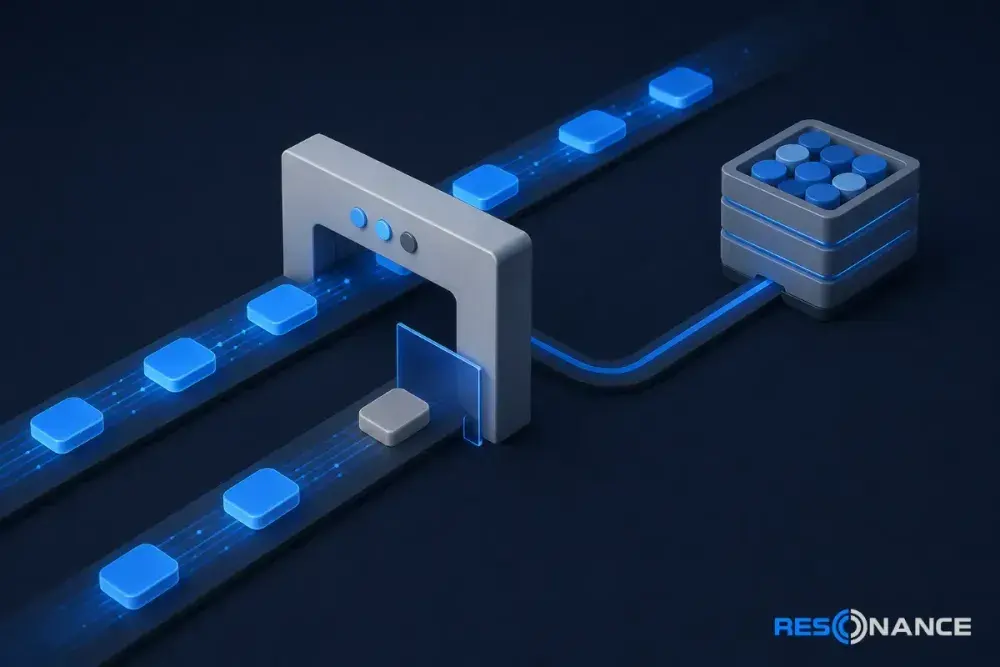
The new rules can reject reads beyond the end of an account’s data or writes to an account the program no longer has permission to modify. A mainnet replay exposed one such case: a program calls another program and transfers ownership of an account during the call. Older Anchor code then tries to write the data back even if it has not changed. The old runtime allowed that write attempt, but the new rules reject it because the first program no longer owns the account.
What the Anchor fix changes
Anchor 1.2.2 compares the data after ownership changes and skips the write if the bytes match. Teams can rebuild and test affected programs, but if a program was deployed through the upgradeable Loader V3, whoever holds upgrade authority must deploy the new build on-chain. An app that calls a third-party program depends on that program’s operator to make the update.
Why validator savings come separately
An instruction with one cross-program call can require up to four copies of account data. Direct mapping lets the virtual machine access the bytes where they already reside. Anza’s tracker puts the two activations one epoch apart on both testnet and devnet. Whether direct mapping will change transaction times for users remains unclear.
Analysis for traders
- Strengths — Solana’s replay found a specific failure before activation. Anza’s proposal says most developers whose apps would have failed in the replay were contacted and made fixes, which could limit disruptions when the checks go live.
- Weaknesses — the Anchor 1.2.2 release does not update deployed programs. If a trading operation calls a third-party program, it may still depend on that operator deploying the fix.
- Opportunities — direct mapping could reduce validator work on Solana transactions that call another program. It is worth checking user transaction times after activation rather than assuming the copy savings translate into faster execution.
- Threats — a rarely used operation on Solana may not have appeared in Anza’s replay sample. Once the checks go live, that operation could fail even if the rest of the app remains usable.
What to watch next
- A mainnet activation epoch or slot for the memory checks in Anza’s tracker.
- On-chain deployments of the Anchor 1.2.2 fix for affected programs and reports of transaction failures after activation.
- The separate activation of direct mapping and any measurements of user transaction times afterward.
Source: cryptoslate.com
No need to invent complex schemes or hunt for the “grail”. Use the tools of the Resonance platform.
Sign up on exchanges via our links and get bonuses:
OKX | BingX | KuCoin.
Prop firm — trade with the company’s capital: Kraken.
Promo code TOPBLOG gives you 10% off any Resonance plan.
Recommended articles