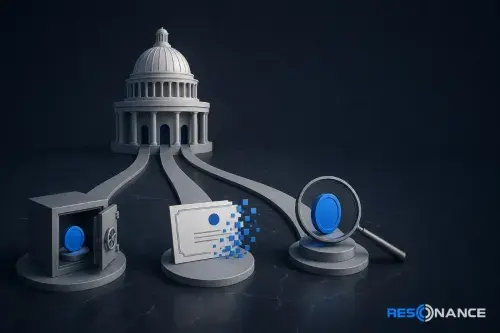
Nasdaq backs common EU rules for tokenized securities
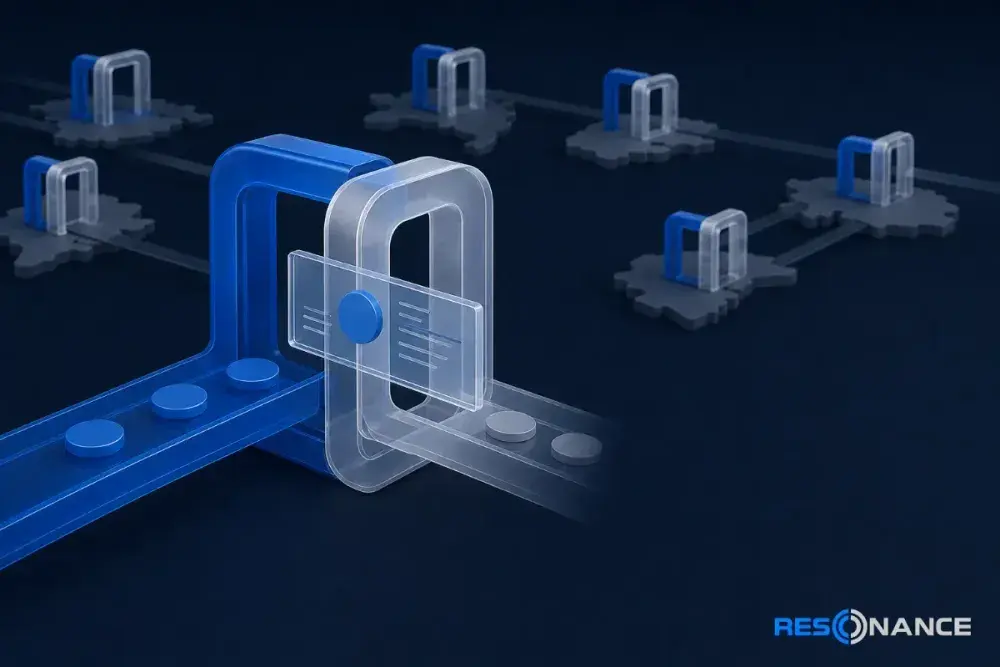
Nasdaq backs an optional issuance framework alongside the rules of the EU’s 27 member states. Its Swedish unit has applied to bring securities trading and settlement onto one platform.
Table of contents










At a European Commission roundtable on Nov. 26, Nasdaq Executive Vice President Roland Chai backed exploring common rules for issuing tokenized securities alongside the national regimes of the EU’s 27 member states. He also said Nasdaq’s Swedish unit had applied for permission to trade and settle securities using distributed ledger technology (DLT).
What Nasdaq wants the EU to explore
The proposed 28th regime would give issuers an EU-wide alternative to national issuance rules. Chai said a common framework could reduce legal uncertainty for companies operating across borders. He also said Nasdaq was considering accepting tokenized assets as collateral, a move that faces constraints under current EU rules.
What the Swedish application covers
The EU pilot lets a single platform match buyers and sellers and transfer securities after a trade. Combining trading and settlement requires a specific permission under Article 10. At admission or initial recording, eligible shares generally must come from issuers valued below €500 million, while bond issues must be smaller than €1 billion, with an exception for certain corporate issuers. Fund units are subject to a separate limit of less than €500 million in assets under management.
The European Securities and Markets Authority (ESMA) lists Germany’s 21X and Lithuania’s Axiology as authorized operators of combined trading and settlement systems. Nasdaq is not on the list.
EU interoperability and a separate US track
On Nov. 24, the European Central Bank (ECB) published a reference model for discussing common standards, including how platforms communicate and how assets and the rights attached to them move between systems.
In the US, Nasdaq is developing an issuer-led model with Payward, Kraken’s parent company. OKXICE launched tokenized stock trading on Nov. 23 after nearly 90% of the companies it initially targeted objected. Access is limited to users who meet the venue’s US onshore requirements. Plans to give global OKX customers access to ICE futures and NYSE tokenized stocks remain subject to regulatory approval.
Analysis for traders
- Strengths. The permissions granted to 21X and Axiology show that the EU pilot already accommodates combined trading and settlement. If Nasdaq launches a venue, its bid-ask spread would be one measure of execution quality to watch.
- Weaknesses. The €500 million market-cap threshold limits the range of shares Nasdaq’s Swedish venue could admit under the pilot.
- Opportunities. An optional regime across 27 EU countries could make cross-border issuance easier, but would not in itself resolve whether the securities can be used as collateral.
- Threats. Objections from nearly 90% of OKXICE’s initial targets show why permission to operate does not guarantee a broad stock offering when third parties tokenize the shares.


What to watch next
- Whether Nasdaq appears in ESMA’s register and which exemptions, if any, accompany the permission.
- Whether talks on the 28th regime produce a formal proposal and whether common standards emerge from the ECB model.
- What the US Securities and Exchange Commission (SEC) Investor Advisory Committee says about the innovation exemption on Dec. 3.
Source: crypto.news
No need to invent complex schemes or hunt for the “grail”. Use the tools of the Resonance platform.
Sign up on exchanges via our links and get bonuses:
OKX | BingX | KuCoin.
Prop firm — trade with the company’s capital: Kraken.
Promo code TOPBLOG gives you 10% off any Resonance plan.
Recommended articles