CleanSpark may sell more Bitcoin than it mines
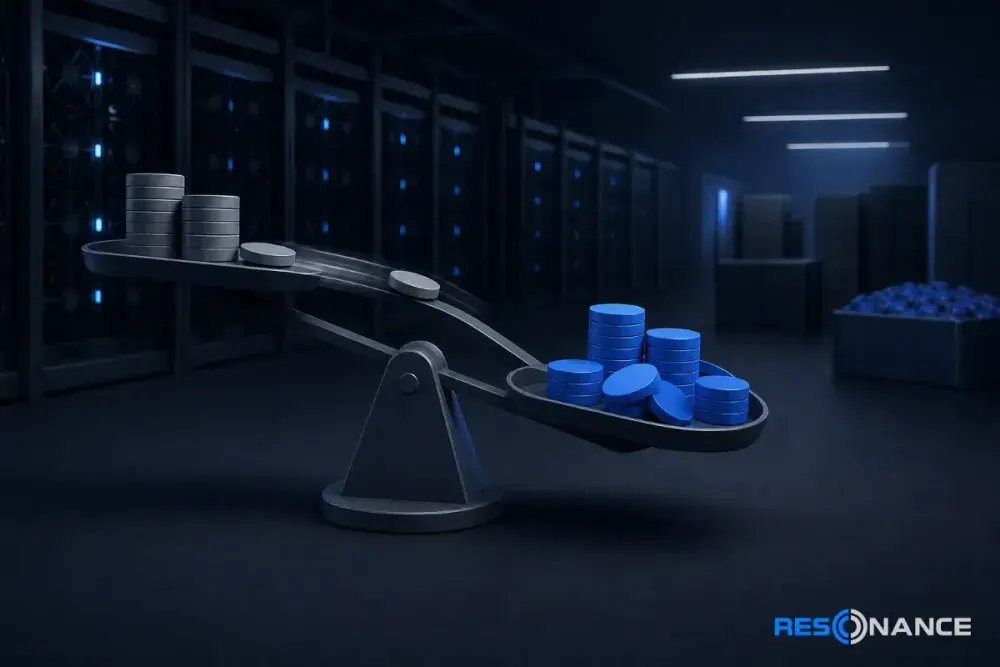
CleanSpark ended the September quarter with 13,530 BTC. The miner is weighing whether to keep selling slightly more Bitcoin than it produces to reduce treasury risk and fund growth without issuing shares or taking on new debt.
Table of contents










Bitcoin miner CleanSpark is considering selling slightly more Bitcoin than it mines each quarter to reduce treasury risk, Chief Financial Officer Gary Vecchiarelli said on the company’s fourth-quarter earnings call. In the quarter ended in September, CleanSpark sold 2,102 BTC and mined 1,708 BTC.
Bitcoin holdings fall for the first quarter since at least 2024
CleanSpark ended September with 13,530 BTC, according to Cointelegraph’s tally of its monthly operating updates. It was the first quarter since at least 2024 in which the company finished with less Bitcoin than it held at the start. Its holdings were last valued at $806 million.
CleanSpark already aims to sell nearly all the Bitcoin it mines to cover day-to-day costs. It also sold an undisclosed amount after September to raise cash for planned acquisitions. Vecchiarelli said sales would depend on market conditions and that CleanSpark could use its reserves to fund growth without issuing shares or taking on additional debt.
Bitcoin revaluation drives much of the annual loss
CleanSpark reported a $987 million net loss for the fiscal year ended Sept. 30, compared with $364 million in net income a year earlier. The company attributed about two-thirds of the swing to noncash changes in the value of its Bitcoin holdings. Bitcoin fell from roughly $114,100 to $83,600 over the fiscal year.
Annual revenue declined 25% to $576.5 million. Adjusted EBITDA (earnings before interest, taxes, depreciation and amortization) was negative $304.2 million. CleanSpark shares fell 7.5% to $5.12 on Tuesday before the earnings release and dropped another 2.25% in after-hours trading.
CleanSpark cuts its mining fleet as its data center project advances
CleanSpark cut about 25,000 mining machines in the September quarter, leaving around 200,000 in operation. Energy use improved from 15.8 to 14.8 joules per terahash. Vecchiarelli said the gain should help keep mining profitable if conditions worsen ahead of the 2028 Bitcoin halving.
The first data hall for artificial intelligence workloads in Sandersville, Georgia, remains on track for the fourth quarter of 2027. CleanSpark expects to start unplugging miners there in late 2027, then decide whether to relocate or sell them.
Analysis for traders
- Strengths: Energy use of 14.8 joules per terahash could help CleanSpark keep mining BTC profitably if mining conditions deteriorate.
- Weaknesses: Bitcoin revaluation accounted for about two-thirds of the swing in annual net results, so traders should assess CleanSpark’s net loss separately from its operating performance.
- Opportunities: Using BTC reserves for acquisitions could spare CleanSpark from issuing shares or taking on fresh debt, which matters when assessing dilution risk.
- Threats: If CleanSpark keeps selling more BTC than it mines, some of its existing reserve will also enter the market. The guide to market phases offers context for judging those sales alongside the activity of other large holders.


What to watch next
- Monthly BTC production, sales and holdings to see whether reserve drawdowns become routine.
- Disclosures on post-September BTC sales and planned acquisitions to see how much of the deal funding comes from reserves.
- The Sandersville data hall’s launch schedule and whether CleanSpark sells or relocates the miners it unplugs there.
Source: cointelegraph.com
No need to invent complex schemes or hunt for the “grail”. Use the tools of the Resonance platform.
Sign up on exchanges via our links and get bonuses:
OKX | BingX | KuCoin.
Prop firm — trade with the company’s capital: Kraken.
Promo code TOPBLOG gives you 10% off any Resonance plan.
Recommended articles