Brale brings custom dollar stablecoins to Cardano
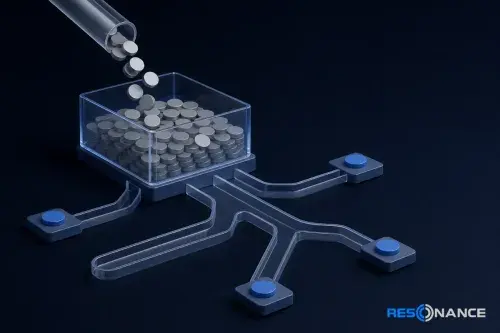
Businesses can issue branded dollar stablecoins on Cardano through Brale or use existing tokens for payments. The transfer service spans 30 blockchains.
Table of contents










Brale went live on Cardano on Nov. 24, giving businesses a way to issue branded U.S. dollar stablecoins or use existing tokens for settlement, payouts and treasury operations. DefiLlama put Cardano’s stablecoin market at $59.4 million on launch day.
Businesses can issue tokens or use existing ones
The Cardano Foundation said Brale’s transfer service spans 30 blockchains. That is the reach of the service, not the number of networks on which each token is available. The foundation did not provide a network-by-network asset list. Brale’s documentation covers account management, conversion between fiat currencies and stablecoins, and payouts.
Issuing new units increases a token’s circulating supply. Paying with existing units can add transaction activity without changing that supply. The foundation did not name any businesses issuing tokens at launch or give estimates for issuance or payment volumes.
Issuers can set rules for individual tokens
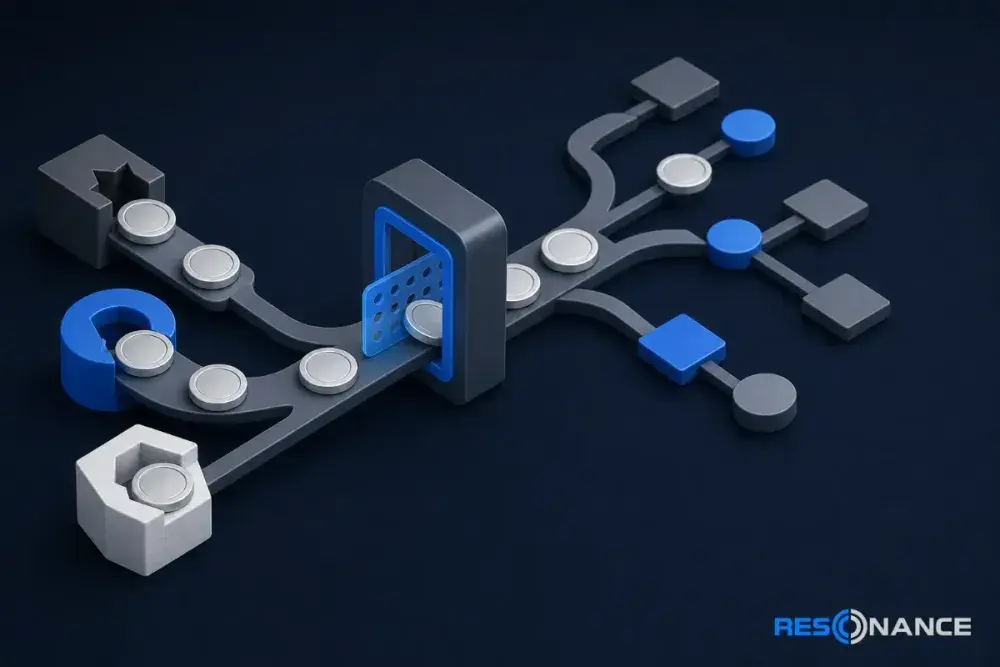
Brale’s integration uses CIP-113 (Cardano’s programmable token standard). An issuer can restrict transfers to approved wallets or allow an authorized party to freeze tokens. Separate rules can govern who can mint or burn units and under what conditions. Transfer restrictions also apply when programmable tokens are deposited or withdrawn as collateral in a lending protocol.
Cardano’s stablecoin market at launch
The value of stablecoins outstanding on Cardano fell about 14% over the preceding 30 days. DefiLlama’s USDC category accounted for $36.3 million, or about 61% of the total. USDM stood at $11.4 million, followed by USDrf at $5.6 million and USDA at $3.9 million. These figures measure outstanding supply by value, not payment volume.
Analysis for traders
- Strengths: Brale combines fiat conversion and stablecoin payouts in one service. Businesses can start settling payments without first issuing a token of their own.
- Weaknesses: The market shrank 14% in 30 days, and the USDC category made up about 61% of its value. Without issuance figures, it is too early to tell whether Brale will change that mix.
- Opportunities: Transfers across 30 chains could give Cardano stablecoins more uses in settlement. Payout volume is worth tracking separately from market cap because it can grow without new issuance.
- Threats: If a CIP-113 token can be frozen, that power could affect collateral held by a lending app. As part of risk management, check who can freeze the token and whether that authority extends to collateral.
What to watch next
- Which businesses launch tokens through Brale and how much they issue.
- Which assets are available on each chain and whether payout volumes are disclosed.
- Which transfer and freeze rules new tokens carry if lending apps accept them as collateral.
Source: crypto.news
No need to invent complex schemes or hunt for the “grail”. Use the tools of the Resonance platform.
Sign up on exchanges via our links and get bonuses:
OKX | BingX | KuCoin.
Prop firm — trade with the company’s capital: Kraken.
Promo code TOPBLOG gives you 10% off any Resonance plan.


Recommended articles