New BNB Chain network could raise PancakeSwap fees

BNB Chain outlined a separate network that uses BNB for gas. Under its devnet rules, one PancakeSwap trade would have cost about 27% more at the same gas price.
Table of contents
On Nov. 26, BNB Chain published a litepaper for a separate layer-1 network being developed alongside BNB Smart Chain (BSC). The new network would use BNB for gas. Under its developer network’s fee rule, one PancakeSwap swap would have cost about 27% more at the same gas price. A public test network is in preparation.
Why the same swap would cost more
BSC bills ordinary transactions for the gas they use. The new network allocates block space before execution according to the stated gas limit, the maximum amount of computing work a transaction can use. If the transaction has a valid sequence number and sufficient funds at execution, it pays for the entire limit, even if some gas goes unused. The full-limit charge also applies if the transaction reverts or runs out of gas.
On June 26, a successful swap through the PancakeSwap v3 router used 129,397 gas at 0.05 gwei per unit, paying 0.00000646985 BNB. At the same gas price and with its original limit of 163,957 gas, the new rule would have charged 0.00000819785 BNB. A 150,000-gas limit would have put the fee about 16% above the observed BSC fee; a 200,000-gas limit would have put it about 55% higher.
Reserved block space and early placement signals
The design reserves some block space for transactions sent to contract addresses approved through network governance. An unregistered router cannot use the reservation of a contract it calls. Eligible transactions still compete for space within a lane, and a higher declared limit takes up more of its quota.
The devnet documentation puts delivery of a signed signal showing a transaction’s intended position at roughly 20 milliseconds. That signal can be withdrawn. To settle a swap, an app still needs a successful execution receipt and must verify that the receipt’s block is on the canonical chain and at or below the execution-finalized height.
What's on the market now
Analysis for traders
- Strengths. A placement signal in roughly 20 milliseconds could help a market maker hold off on updating a quote when a pending swap may change its reference price. Our guide to the bid, ask, and spread explains how quotes relate to liquidity.
- Weaknesses. In the PancakeSwap example, billing for 34,560 units of unused gas would add 0.000001728 BNB to the fee. A gas buffer becomes a cost even when the swap succeeds.
- Opportunities. PancakeSwap routers could tailor limits more closely to each route. In this example, a 150,000-gas limit would have reduced the fee premium from 27% to about 16%.
- Threats. If a router sets the limit too low and a swap needs more computing work, the trade can fail and still incur the full charge for the declared limit.
What to watch next
- Which routers get access to reserved block space on the public testnet, and how much of each lane their gas limits use.
- How often placement signals are withdrawn and how long execution takes to become final.
- How much spare gas different routes need and what swaps cost at actual gas prices, rather than at the equal rate used in the example.
Source: CryptoSlate
No need to invent complex schemes or hunt for the “grail”. Use the tools of the Resonance platform.
Sign up on exchanges via our links and get bonuses:
OKX | BingX | KuCoin.
Prop firm — trade with the company’s capital: Kraken.
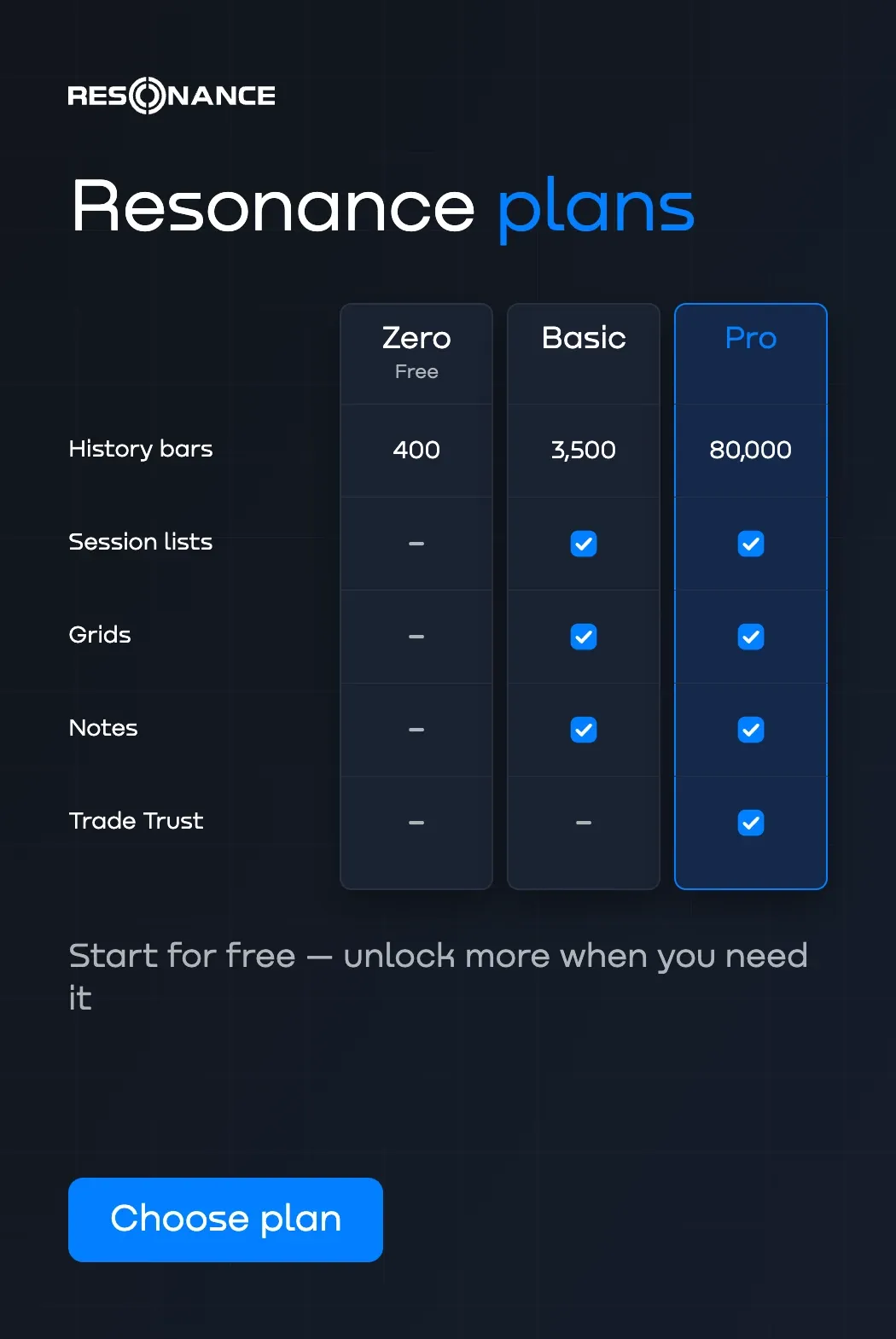
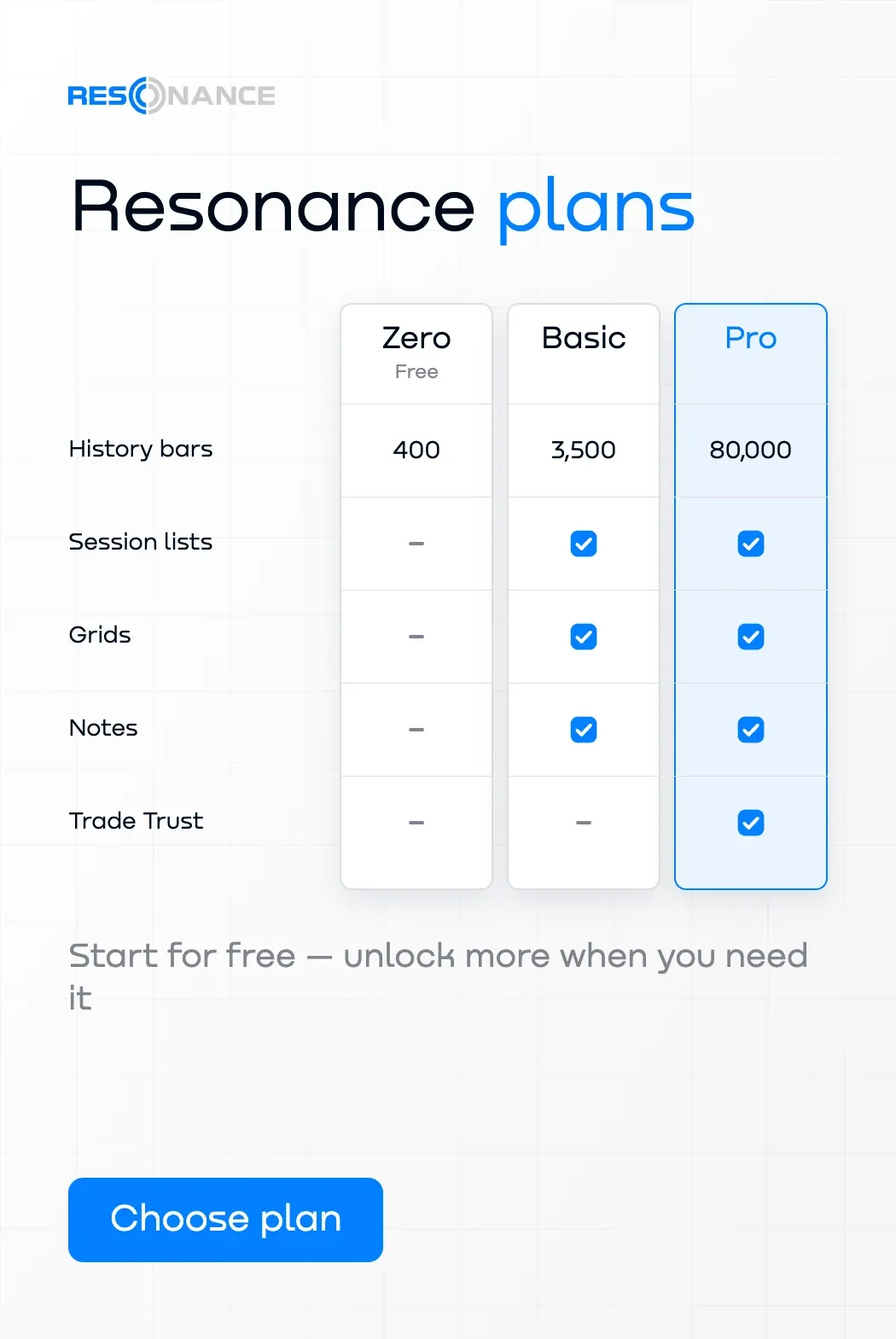
Promo code TOPBLOG gives you 10% off any Resonance plan.
Recommended articles