Bitcoin Core weighs optional wallet rebroadcasting
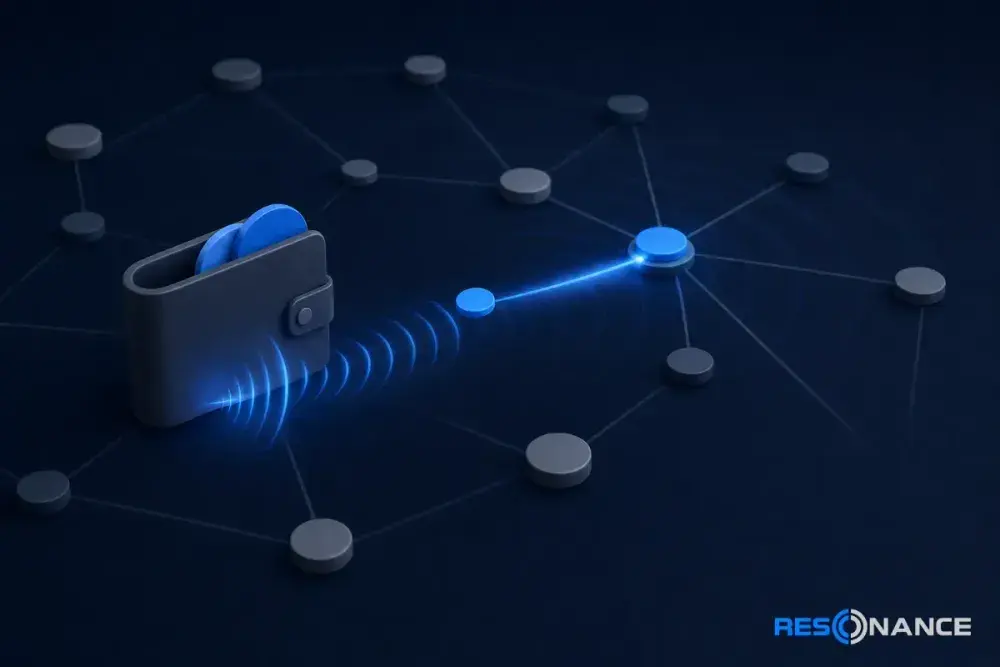
A Bitcoin Core contributor identified the correct nodes in all 30 controlled observations. Developers are discussing whether wallets should be able to turn off automatic transaction rebroadcasts.
Table of contents


On Nov. 25, Bitcoin Core contributor Abubakar Sadiq Ismail reported that automatic wallet rebroadcasts can link Bitcoin addresses to the nodes tracking them. He identified the correct nodes in 30 out of 30 observations on a local test network. Developers are now discussing whether users should be able to turn the feature off.
What rebroadcasts can reveal
Bitcoin Core wallets periodically announce unconfirmed incoming and outgoing transactions again to help them reach the network. That behavior differs from ordinary transaction relay and can expose a link between a Bitcoin address and a node even if the wallet owner has not spent funds recently.
Ismail estimated transaction fees of $0.18 to $0.34 per address. The results came from controlled tests, and identifying a node does not establish ownership. An exchange or shared wallet service can track addresses for multiple people, while one holder can run multiple nodes.
Which wallets are affected and what could change
The weakness also applies to watch-only wallets, which track addresses without holding the keys needed to spend funds. Sparrow and Liana can inherit the behavior in certain Bitcoin Core configurations. Private transaction broadcasting protects the first announcement, not later automatic repeats. Using Tor or I2P exclusively can keep a public IP (Internet Protocol) address from being exposed through this mechanism, but a Bitcoin address could still be linked to the node’s identity on that network.
Proposed change #36482 would limit rebroadcasts to transactions recently added to a node’s queue of unconfirmed transactions. Contributor Martin Zumsande argues that the change would only slightly raise the cost of the attack. He recommends making automatic rebroadcasts of incoming payments optional while still letting recipients manually reannounce an unconfirmed payment.
Analysis for traders
- Strengths — a separate Bitcoin Core setting could let users disable repeat announcements without disrupting the initial broadcast of outgoing BTC payments.
- Weaknesses — keeping spending keys out of a watch-only wallet does not prevent node linkage, a distinction that matters when monitoring BTC balances.
- Opportunities — Sparrow and Liana users can check whether their setup uses Bitcoin Core, since exposure depends on how the wallet connects.
- Threats — at the estimated $0.18 to $0.34 per address, repeated observations could help analytics firms group BTC addresses by node, though that does not prove common ownership.
What to watch next
- Whether Bitcoin Core adds a separate rebroadcast setting and whether it leaves the feature on by default.
- Whether further tests show that #36482 closes the privacy gap or only makes it more costly to exploit.
Source: crypto.news
No need to invent complex schemes or hunt for the “grail”. Use the tools of the Resonance platform.
Sign up on exchanges via our links and get bonuses:
OKX | BingX | KuCoin.
Prop firm — trade with the company’s capital: Kraken.
Promo code TOPBLOG gives you 10% off any Resonance plan.


Recommended articles