Future of Aave and the Role of DeFi in the Economy
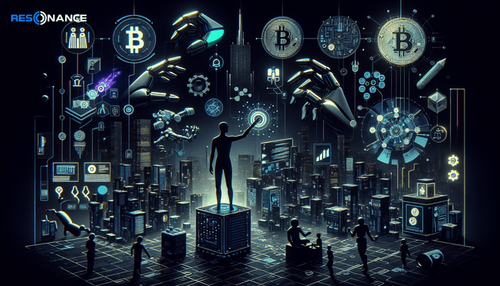
Analysis of Aave’s internal conflicts and strategic importance of DeFi for the real economy.
Table of contents

The Future of Aave in the DeFi Industry
Future of Aave and the Role of DeFi in the Economy
Co-founder Aave Stani Kulechov recently gave an extensive interview discussing current challenges and developments in the decentralized finance (DeFi) industry. In recent months, the project has faced internal tensions due to changes in governance and revenue redistribution.
Governance Conflicts in Aave
At the forefront are disagreements over the distribution of powers and revenues. Aave Labs proposed to direct all proceeds from its products into the DAO (Decentralized Autonomous Organization) treasury. This sparked waves of criticism as questions were raised about a potential concentration of power in the hands of key individuals, disrupting the balance of independent voting.
Departure of Key Contributors
The consequences of these disagreements led to two important teams, BGD Labs and Aave Chain Initiative, ceasing their collaboration with the project. Kulechov explained this as a natural evolution and cycle of changes that are inevitable in transforming the global financial infrastructure.
Preparing for Version 4.0
Against the backdrop of these events, Aave is preparing for the release of the fourth version of its protocol. The update promises to implement a modular architecture, providing broader possibilities for application creation, improved capital efficiency, and an expanded list of available assets.
Market Impact and Prospects
Kulechov dismissed allegations of DeFi sector stagnation, reminding of the significant capitals that continue to circulate in smart contracts. Aave was the first in the industry to issue loans totaling $1 trillion, emphasizing active market participation.
Conclusion
The long-term prospects for Aave and decentralized finance as a whole are seen in integration with traditional financial structures. It is predicted that growth drivers will be the real economy and the tokenization of assets.
- Strengths: Innovative development and new protocol versions.
- Risks: Governance conflicts and transition to centralization.
- Opportunities: Tokenizing real assets, growth potential.
- Threats: Possible loss of allies and changing regulatory environment.
Follow new insights in our telegram channel.
No need to invent complex schemes and look for the "grail". Use the Resonance platform tools.
Register via the link — get a bonus and start earning:
OKX | BingX | KuCoin.
Promo code TOPBLOG gives you a 10% discount on any Resonance tariff plan.
Recommended articles